
Purpose
Policy and Procedure No.: B-04-01
This purpose of this handout is to ensure that the installation of roofing materials, vents, decking, flashing etc. are properly installed and follow the California Codes for residential and non-residential buildings.
Permits Required
A re-roof permit is required for all roofs except: Repairs made to a roof that does not exceed 100 square feet.
Note: California’s 2025 Building Energy Codes requires cool roofs on existing residential buildings when more than 50% of the roof is re-roofed.
Cool Roofing Products for alterations to existing roofs must comply with Section §150.2, of the California Energy Code when more than 50% of the exterior existing roof is replaced.
For steep-sloped roofs (2 in 12 slope or more), The minimum aged solar reflectance of a Cool Roof is 0.20 with a minimum thermal emittance of 0.75 or a minimum SRI of 16.
Permit Processing
For permit processing information, please visit our Minor Residential Building Permits webpage.
Cool Roofing Product Information
This label is required for all cool roof roofing products:
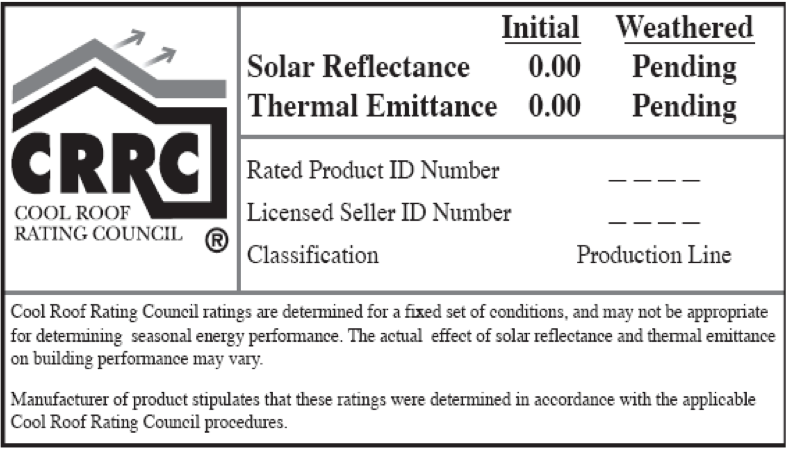
View cool roof product information
Note: A CF-1R ALT – 01-E Form is required to be completed and submitted with all re-roofing permit requests.
Download the CF-1R-ALT -01-E form
This simpler Reroof Energy Compliance form can also be submitted in lieu of the CF-1R ALT form listed above.
Work Description
Obtain the following information regarding the existing condition and proposed roofing materials:
- Existing – top and/or second layer material, specify if existing roof material will be removed or if project consists of an overlay.
- Proposed – if overlaying, provide number of layers, type of material and weight per each square; sheathing type; roof skylight locations (include ICC or UL listing number).
Re-roofing Overlays Allowed
General
Recovering versus replacement
New roof coverings shall not be installed without first removing all existing layers of roof coverings where any of the following conditions occur:
- Where the existing roof or roof covering is water soaked or has deteriorated to the point that the existing roof or roof covering is not adequate as a base for additional roofing.
- Where the existing roof covering is slate, clay, cement or asbestos-cement tile.
- Where the existing roof has two or more applications of any type of roof covering.
Exceptions
- Complete and separate roofing systems, such as standing-seam metal roof systems, that are designed to transmit the roof loads directly to the building’s structural system and that do not rely on existing roofs and roof coverings for support, shall not require the removal of existing roof coverings.
- Installation of metal panel, metal shingle and concrete and clay tile roof coverings over existing wood shake roofs shall be permitted when the application is in accordance with Section CRC R907.4.
- The application of a new protective coating over existing spray polyurethane foam roofing systems shall be permitted without tear-off of existing roof coverings.
- Where the existing roof assembly includes an ice barrier membrane that is adhered to the roof deck, the existing ice barrier membrane shall be permitted to remain in place and covered with an additional layer of ice barrier membrane in accordance with Section CRC R905.
Roof Recovering
Where the application of a new roof covering over wood shingle or shake roofs creates a combustible concealed space, the entire existing surface shall be covered with gypsum board, mineral fiber, glass fiber or other approved materials securely fastened in place.
Reinstallation of Materials
Existing slate, clay or cement tile shall be permitted for reinstallation, except that damaged, cracked or broken slate or tile shall not be reinstalled. Any existing flashing, edgings, outlets, vents or similar devices that are a part of the assembly shall be replaced when rusted, damaged, or deteriorated. Aggregate surfacing materials shall not be reinstalled.
Flashings
Flashings shall be reconstructed in accordance with approved manufacturer’s installation instructions. Metal flashing to which bituminous materials are to be adhered shall be primed prior to installation.
Overlay on Existing Wood Roofs or Asphalt Shingle Roofs
Only fire-retardant roofing assemblies or noncombustible roof covering may be applied over existing wood shake or shingle roofs in accordance with the manufacturer’s installation requirements.
Asphalt Shingle Application
Not more than one overlay of asphalt/composition shingles shall be applied over an existing composition or asphalt shingle roof. Not more than one overlay of asphalt/composition shingles shall be applied over an existing wood shingle roof.
Wood Shingle Application
Not more than one overlay of wood shingles shall be applied over existing wood or asphalt shingles and shall be installed to manufacturer’s specifications.
Flashing and Edgings
Rusted or damaged flashing and counterflashing, vent caps and metal edgings shall be replaced with new materials as necessary.
Composite Material
Prior to permit issuance, a structural analysis will be required when reroofing with tile in place of a lighter roofing material. Composite materials include: tile, cellulose, cement, and any products with weights in excess of 350 pounds per square.
Submittal of structural calculations (electronically stamped and signed) prepared by a licensed professional engineer. Analysis may be required at the Building Official’s discretion.
Inspections for Residential Applications
Overlay Applications
- Final Inspection only. Required only after the project is complete.
Tear-off Applications for Asphalt Shingle Roofs
Tear off with no new sheathing:
- 1st Inspection - paper (entire roof), edge and valley metal flashing installed (entire roof) and 25% of the shingles in place.
- 2nd Inspection is the final inspection.
Tear off with new sheathing:
- 1st Inspection - 50% of the new roof sheathing exposed for inspection. The remaining 50% of the roof papered with edge and valley metal flashing installed and 25% of the shingles in place.
- 2nd Inspection is the final inspection.
Tear-off Applications for Tile Roofs
Tear-off with no new sheathing for tile roof, flat roofs, TPO:
- 1st Inspection - The roof to be completely papered, edge and valley metal flashing installed, batten's installed and roof tile stacked.
- 2nd Inspection is the final inspection.
Please note that the replacement of structural members (such as roof truss members, roof rafters, and sheathing) may require additional inspections depending on the scope of work and extent of repairs. Structural calculations may also be required based on the extent of the repair.
Scheduling Inspections
The inspection phone line is (916) 478-2225, available 24 hours/day. Inspections can also be scheduled online through the eTrakit permit portal.
Inspection requests received after 5:00 am will be scheduled for the following business day.
(Note: morning or afternoon inspections cannot be guaranteed).
For additional information about scheduling inspections, please visit our Building Inspections webpage.
Seasonal Roofing Inspection Request
This is a comprehensive, one-time inspection process, provided the agreement is signed by both the contractor and the property owner and approved by the Building Official. The seasonal roofing agreement allows the contractor to completely remove the existing roofing material and install new roof sheathing. New roofing material may be installed, but only up to half of the roof area. The remaining half shall not be covered with felt or roofing material until it has been inspected.
Felting over the entire roof surface may be permitted during the rainy season with approval from the City inspector.
Please note: Seasonal roofing agreements are not allowed for roof pitches under 2:12, built-up roofs, or roof systems requiring structural review.